Serving French Valley, CA and surrounding areas. (951) 593-1138
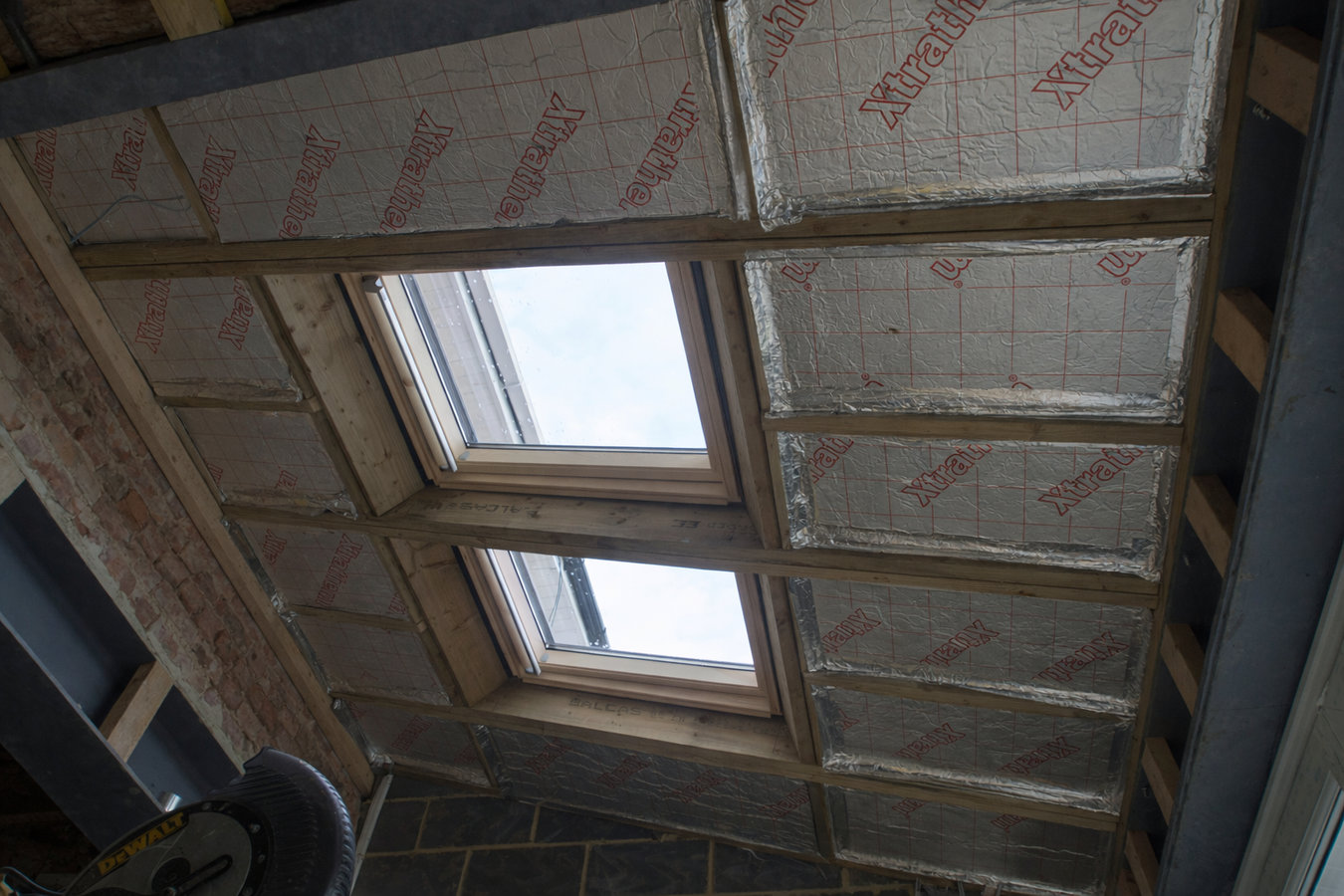
An under-insulated attic is the biggest reason French Valley homes feel hot all summer. We bring it up to recommended levels in a single day - air sealing included - so your AC finally keeps up.
Attic insulation in French Valley acts as a thermal barrier between your living space and outdoor heat - most standard attic jobs are completed in three to six hours, and you can stay home the entire time. In a climate where summer highs regularly reach 95 to 105 degrees, your attic can reach 150 degrees or more on a hot afternoon. Without adequate insulation, that heat radiates down into your home all day and into the evening, making your air conditioner work far harder than it should.
Most homes in French Valley were built during the 1990s and early 2000s and were insulated to the minimum code standard of that era. Those standards fall well short of what the Department of Energy now recommends for this climate zone - R-38 to R-60 for attics here. If you have never had your attic evaluated, there is a reasonable chance it is underperforming. In some cases, a blown-in insulation top-up is all that is needed to bring the attic up to current levels.
Both Southern California Edison and SoCalGas offer rebates for qualifying attic insulation upgrades - ENERGY STAR's Seal and Insulate guide is a good starting point for understanding what qualifies. We document installed depth and materials after every job so you have what you need to file a claim.
If rooms directly under the roofline feel significantly hotter than the rest of the house during French Valley's summer months, your attic insulation is likely not doing its job. Heat from a 100-degree-plus afternoon bakes the roof and pushes through when there is not enough insulation to slow it down. This is the most common complaint homeowners in this area have before they get their attic addressed.
When your air conditioner seems to run constantly without ever cooling things down, the problem is often that heat is entering faster than the system can remove it. In French Valley's climate, an under-insulated attic is one of the most common reasons a cooling system struggles - the equipment is fine, but the house itself is leaking heat in from above.
If you peek into your attic and can clearly see the wooden framing members poking up through the insulation, you do not have enough. Properly insulated attics in this climate should have insulation deep enough that the joists are completely buried and not visible from above.
If your home seems to fill with a hazy or smoky smell during wildfire events even with windows closed, air is finding its way in through gaps in the attic. This is a sign the attic has not been properly air-sealed - a step that should be done alongside insulation. French Valley's location in a fire-adjacent region makes this worth taking seriously.
We install blown-in insulation as the primary method for most French Valley attics because it fills irregular spaces, covers obstacles like HVAC equipment, and reaches the R-values this climate demands efficiently. Before any insulation goes in, we seal air gaps around light fixtures, plumbing penetrations, and framing joints - that step is what separates a job that performs from one that does not, and it is what any thorough attic insulation contractor should be doing. If your existing insulation is in decent shape and free of moisture damage or pest contamination, we can blow new material right on top, which keeps the cost down.
For attics where the old insulation is wet, moldy, or pest-contaminated, we handle removal and disposal before installing new material. We also pair attic insulation work with attic air sealing for homeowners who want the most complete result - sealing the gaps is what stops smoke, dust, and outside air from entering your home, not just the insulation layer itself.
Best for attics where existing insulation is in good condition but falls short of recommended R-values - fast, effective, and cost-efficient.
When old insulation is damaged, wet, or contaminated, we remove it completely and start fresh with new material at the correct depth.
Every attic job includes sealing gaps around fixtures, pipes, and framing before insulation is added - the step most contractors skip and the one that matters most.
We provide installed depth and materials documentation after every job so you have what you need to file a utility rebate claim with SCE or SoCalGas.
French Valley sits in the Temecula Valley in western Riverside County, where summer temperatures regularly climb into the mid-to-upper 90s and occasionally top 100 degrees. At those temperatures, an under-insulated attic becomes a heat source in its own right - absorbing heat through the roof all day and releasing it into your living space well into the evening. Southern California Edison rates in Riverside County are among the higher rates in the state, so every extra hour your air conditioner runs costs you more than it might elsewhere.
The wildfire smoke and dust that roll through the Temecula Valley during Santa Ana wind events add another reason to take your attic seriously. Gaps around attic fixtures and framing let smoke particles and fine dust filter down into your home even when all the windows are closed. Homeowners in Temecula, CA and Menifee, CA face the same conditions, and we serve all of these communities regularly.
We ask a few quick questions - your address, roughly how old your home is, and what comfort problems you have noticed. This helps us show up to the estimate already knowing what we are likely to find. We reply within 1 business day.
A contractor visits your attic, measures the existing insulation depth, checks for moisture or pest activity, and notes where air sealing is needed. This usually takes 30-45 minutes and includes a walkthrough of findings before we leave.
You receive a written quote breaking down the work - whether that includes air sealing, removal of old insulation, or just adding new material on top. We note whether the scope qualifies for a utility rebate if you plan to apply.
The crew seals air gaps first, then installs insulation. Most jobs finish in a few hours. Afterward, we walk you through the completed attic and provide documentation of the installed depth and materials for your records and any rebate claim.
We respond within 1 business day - no obligation, no pressure. After you submit, someone from our office calls to schedule a free on-site estimate at your French Valley home.
(951) 593-1138French Valley Insulation documents the work on every job and gives you a written record of what was installed. When a permit is required under Riverside County rules, we pull it - protecting you at resale and getting the work inspected.
We document installed insulation depth and materials after every attic job - exactly what Southern California Edison and SoCalGas require to process a rebate claim. You should not have to chase paperwork to get money back that you earned.
We are based in Winchester, CA, and have worked in French Valley and the surrounding Temecula Valley since 2016. We know the local building stock, the heat conditions, and the Riverside County permit process.
We close gaps around light fixtures, pipes, and framing before any insulation goes in. Without that step, even thick insulation underperforms because conditioned air leaks around it. Skipping air sealing is how contractors cut corners - we do not.
Knowing your attic was done right - with air sealing, proper depth, and documentation in hand - means you can stop wondering and start noticing the difference. The North American Insulation Manufacturers Association sets industry standards for proper attic insulation, and we follow them on every job.
Blown-in insulation is the most common method for upgrading French Valley attics - fast to install and effective at filling irregular spaces.
Learn MoreAir sealing your attic closes the gaps that let heat and wildfire smoke into your home - a critical first step before adding new insulation.
Learn MoreCall now or get a free estimate online - most French Valley attic jobs are done in a single day, and the difference in comfort is noticeable from the first hot week.