Serving French Valley, CA and surrounding areas. (951) 593-1138
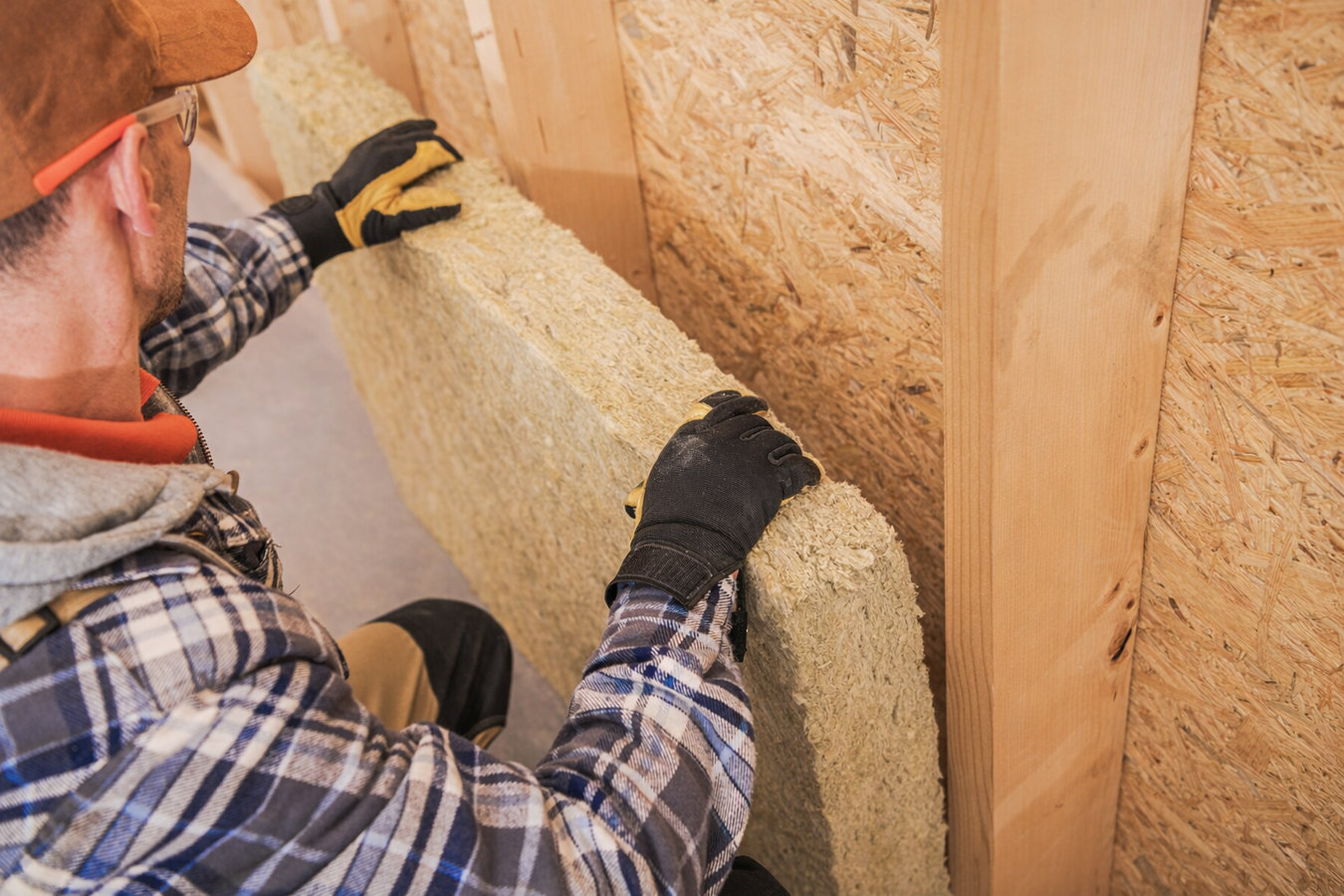
If your home heats up fast and your air conditioner runs all day, heat pushing through under-insulated walls is often the cause. We insulate existing walls without tearing out drywall - and we reply within one business day.
Wall insulation in French Valley acts as a thermal barrier between the outdoor heat and your living spaces, slowing how quickly triple-digit summer temperatures push through your exterior walls - most blown-in jobs on a standard single-family home are complete in one day without opening up interior drywall.
Most French Valley homes were built during the construction boom of the 1990s and early 2000s. The wall insulation installed then met the energy codes of that era - codes that are significantly less demanding than what California requires today for this climate zone. After 20 to 30 years, that material has also had time to settle and compress, reducing its effectiveness further. The result is walls that offer far less resistance to heat than they should, which shows up as rooms that never quite cool down and an air conditioner that runs almost constantly on hot afternoons. Combining wall insulation with air sealing services addresses both the thermal barrier and the air gaps that let heat sneak through regardless of what insulation is present.
If you have never had your walls inspected or upgraded, a free in-home visit will tell you quickly what is inside them and whether it is still doing its job. That visit costs nothing and takes about an hour.
On a hot afternoon, press your hand against an interior wall surface. If it feels noticeably warm - almost like it is radiating heat - that is a sign the wall is not doing much to slow heat transfer from outside. Well-insulated walls should feel close to room temperature even when it is very hot outside. This is a quick check any homeowner can do before calling anyone.
In French Valley's triple-digit summers, a properly insulated home should hold a comfortable temperature without your system cycling constantly. If you notice your AC running for hours on end and certain rooms still feel stuffy or warm near the walls, that is a strong sign heat is getting through where it should not. This is one of the most common complaints from homeowners who have not had their wall insulation checked in years.
If your electricity costs have risen even though your habits have not changed, degraded or missing wall insulation is one of the first things worth investigating. Insulation materials settle and compress over time, leaving gaps that let heat in during summer and out during winter - and your utility bill is often the first place you notice it.
Many French Valley homes built in the 1990s and early 2000s were insulated to the standards of that time, which are significantly lower than what is recommended today for this climate zone. If you have lived in your home for more than a decade and never had the walls inspected, there is a real chance the insulation has settled or was never adequate for the sustained heat here.
We insulate existing walls using blown-in methods that do not require tearing out drywall or displacing your family. The most common approach is drilling small holes in the exterior siding or stucco, filling each wall cavity with insulation material through a hose, then patching and finishing the holes so they are ready for paint. For new construction or walls that are already open, batt insulation or spray foam may be the right fit. Every job starts with an in-home assessment to determine what is currently in your walls and which method will deliver the best result for your home and budget. For homes dealing with both heat transfer and air leakage, we pair wall insulation with air sealing services to address both problems at once.
Wall work is often one piece of a broader insulation project. Homeowners who have upgraded their walls frequently find that addressing the attic and the areas below the floor rounds out the improvement - if heat can still enter through other paths, the wall upgrade alone only goes so far. For homes where old insulation has degraded or been damaged, our blown-in insulation service handles both removal and replacement as part of the same project, so you are not managing two separate contractors.
The standard choice for occupied homes - minimal disruption, no drywall tear-out, and suitable for the vast majority of French Valley tract home wall configurations.
Used to seal gaps and air leaks in combination with other materials, or in open-wall situations where superior air control is the priority.
For new construction or walls that are already open during a renovation - cost-effective and available in fiberglass or mineral wool options.
For walls with old, settled, or contaminated material that needs to come out before new insulation can go in - handled as one project.
French Valley sits in the Temecula Valley at around 1,400 feet elevation, and summer temperatures here regularly climb above 100 degrees and stay elevated for weeks. That kind of sustained heat puts enormous pressure on your home's walls - if they are not well insulated, your air conditioner runs almost constantly, and your energy bills reflect it. Nearly all homes in French Valley have stucco exteriors, which are durable in dry heat but require care when drilling for blown-in work. Contractors who are experienced in this area know how to work with stucco and produce a patch that blends in. Homeowners in nearby Murrieta face the same conditions and the same stucco challenge.
California Climate Zone 10 - which includes French Valley - has specific minimum insulation performance requirements for walls under the state's building energy efficiency standards. Any permitted insulation work must meet these standards, and a contractor who does not know the local zone requirements may leave you with work that fails inspection. French Valley also falls under Riverside County's HOA-heavy planned community structure, and some associations require written approval before exterior work begins. We are familiar with this process and can help you understand what your HOA requires before scheduling. Temecula homeowners face similar HOA and permit considerations throughout the valley.
We ask a few basic questions - your home's age, approximate square footage, and what has been prompting your concern. This helps us come prepared. We reply to every request within one business day, and there is nothing you need to prepare for the initial call.
A contractor walks through your home and looks at your walls, outlets, and any visible gaps around pipes or windows. Some contractors use a thermal camera or a small probe to check what is already inside your walls before recommending a solution. You get a written estimate covering the scope of work, materials, and total cost before any work is scheduled.
The crew drills small holes in the exterior siding or stucco and uses a hose to fill each wall cavity with insulation material, working section by section. Once each cavity is filled, the holes are patched and finished. Most homes are completed in a single day, and you do not need to leave.
Before the crew leaves, they walk you through what was done and point out any areas that needed extra attention. Patched holes are ready for painting after a day or two. Your insulation is working the moment installation is complete - no curing period required.
Free estimate, no pressure. We will assess your walls, tell you exactly what is inside them, and give you a straight answer on what it will cost to fix.
(951) 593-1138Nearly every home in French Valley has a stucco exterior, and drilling into stucco for blown-in work requires a different technique than drilling into wood or vinyl siding. We have done this work on hundreds of homes throughout the Temecula Valley. The patches we leave behind blend in, and we do not leave you with visible divots or mismatched repairs.
One of the biggest fears homeowners have is agreeing to work they do not fully understand, then being surprised by the results or the final bill. Before any work begins, you receive a written estimate with a plain-language explanation of what is going in your walls and why. No surprises, no pressure to decide on the spot.
Wall insulation work in French Valley often requires a Riverside County permit, and we know which projects trigger that requirement. We pull permits before work starts and manage the inspection process - so the work is documented, code-compliant, and on record if you ever sell or refinance. See the U.S. Department of Energy for guidance on wall insulation standards and R-value recommendations.
French Valley is in Southern California Edison territory, and SCE offers rebates for qualifying insulation upgrades. The federal government also offers a tax credit for homeowners who improve their insulation as part of an energy efficiency project. We walk you through which programs apply before you sign anything - so you capture the savings you are entitled to without doing the research yourself.
Wall insulation is one of those upgrades where the result is invisible once the work is done - which is exactly why who does it matters. We do it right the first time and give you documentation to show for it.
Close the gaps around outlets, pipes, and wall penetrations that let conditioned air escape and outside heat sneak in.
Learn MoreOur blown-in process fills wall and attic cavities without disrupting your home - handles removal of old material when needed.
Learn MoreSummer heat builds fast in the Temecula Valley - get your walls assessed before the hottest months arrive and your cooling bills climb.