Serving French Valley, CA and surrounding areas. (951) 593-1138
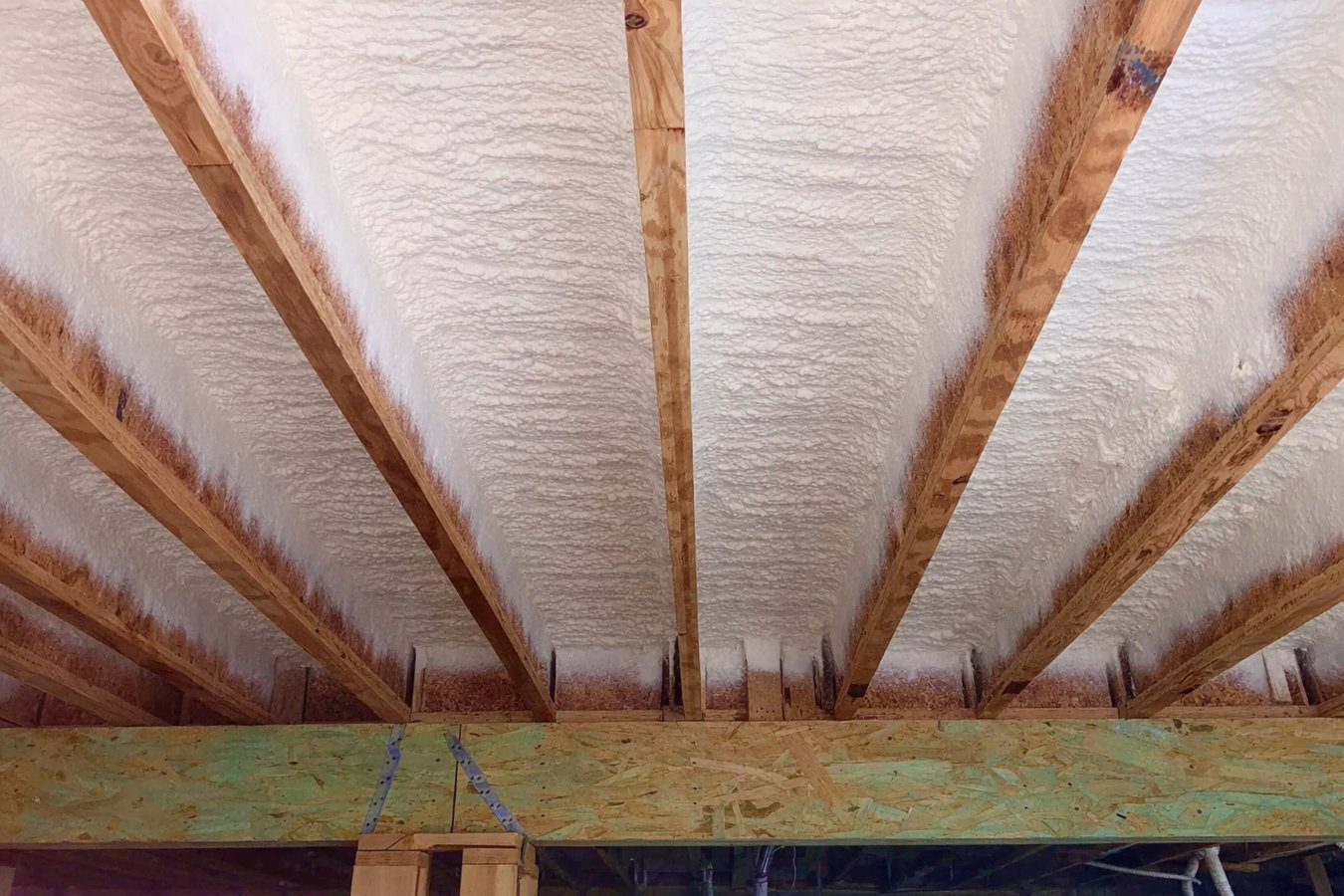
Cold floors in winter and rising cooling bills in summer often trace back to the same problem - an uninsulated crawl space. We fix it properly, so your home holds the temperature you set.
Crawl space insulation in French Valley acts as a thermal barrier between the ground beneath your home and the living spaces above it, reducing heat that rises in summer and cold that seeps up in winter - most standard single-family jobs are complete in one to two days with no need to leave your home.
Without proper insulation below, your floors become a direct path for the outside temperature to reach your living rooms. In French Valley, that means triple-digit summer heat working its way up through your kitchen and hallways while your air conditioner fights to keep up. Winters here are mild by mountain standards, but those January nights in the low 30s still find their way under your feet if the crawl space is open to the cold. Many homeowners also discover moisture concerns during this work, which is why crawl space insulation pairs naturally with a crawl space vapor barrier for a complete below-floor solution.
A lot of French Valley homeowners have never had their crawl space looked at since they bought the house. A free inspection will tell you quickly whether what is down there is still working or whether it needs attention - and that visit costs nothing.
If you walk across your kitchen or hallway on a January morning and the floor feels cold even with the heat running, that is a strong sign that cold air from below is coming through. French Valley nights regularly drop into the 30s in winter, and an uninsulated crawl space lets that cold settle right under your feet. This is one of the most common complaints homeowners mention before getting crawl space insulation done.
If your air conditioner seems to run without stopping during summer afternoons, heat coming up through an uninsulated floor could be part of the problem. Your system is fighting heat from above and below at the same time. If your energy bills have been climbing year over year without an obvious explanation, the crawl space is worth investigating.
A musty or earthy smell that is stronger near lower rooms or floor vents is often a sign that moisture or mold is present in the crawl space below. This does not always mean a major problem, but it means something is happening down there that needs attention before it gets worse. Moisture problems in crawl spaces tend to grow quietly.
If you look into your crawl space and see bare dirt, insulation that has fallen away from the joists, or gaps where outside air can get in, the space is not doing its job. A properly insulated crawl space should have material snug against the floor joists above and a ground cover on the dirt floor below. This is a quick check any homeowner can do with a flashlight.
We install crawl space insulation using the right method for your home - either insulating the underside of the floor joists with batt or spray foam material, or fully encapsulating the space by insulating the walls and sealing the floor with a ground cover barrier. Encapsulation is generally the more thorough approach for French Valley's climate, since it controls moisture and outside air movement as well as heat transfer. Before any material goes in, we inspect what is currently down there, check for moisture, and confirm the space is ready for new installation. If old insulation needs to come out first, we handle that as part of the same project.
Crawl space work often goes hand-in-hand with wall insulation for homeowners who want to address every pathway heat uses to enter or escape the home. And for those dealing with ongoing moisture concerns below the floor, adding a crawl space vapor barrier alongside the insulation is the most complete solution available - covering both the thermal and moisture sides of the problem in one visit.
The traditional approach - insulating the underside of your floor from below, right for homes where the crawl space is vented and in good condition.
Full sealing of crawl space walls and floor - best for homes with ongoing moisture concerns or where comprehensive air control is the goal.
For homes where old or damaged insulation needs to come out before new material goes in - we handle both steps on the same project.
Pairs with any insulation method to protect the space from ground moisture - a thick polyethylene sheet covering the entire crawl space floor.
French Valley sits at roughly 1,400 feet elevation in the Temecula Valley, and the climate here creates a year-round challenge for uninsulated crawl spaces. Summer temperatures regularly reach the high 90s and low 100s, and that heat radiates into the crawl space and works its way up through uninsulated floors. Winters bring cold nights in the 30s from December through February, pushing cold air up from below. A large share of French Valley homes were built during the construction boom of the early 2000s, and many of those crawl spaces were finished quickly with minimal attention - some with compressed or poorly installed insulation that has never been checked since the home was sold. Homeowners in Canyon Lake face similar conditions.
The periodic Santa Ana wind events that sweep through French Valley can make a crawl space feel bone-dry even when it has a recurring moisture issue the rest of the year - so a dry-day inspection may not tell the full story. Riverside County requires permits for certain crawl space work, and permitted jobs are inspected by a county official, giving you an independent check on quality that unpermitted work does not provide. We work throughout the full service area, from French Valley into Wildomar and every community in between.
We will ask a few basic questions - your address, the approximate size of your home, and whether you have noticed any specific issues like cold floors or drafts. Most requests get a same-day response, and we always follow up within one business day. There is nothing you need to prepare for this call.
A contractor physically enters your crawl space with a flashlight and sometimes a moisture meter. They look at what is currently down there, how accessible the space is, whether there is moisture damage, and how much square footage needs to be covered. This visit usually takes 30 to 60 minutes, and you get a written estimate before any work is scheduled.
The crew handles removal of any old material, then installs the new insulation and ground cover barrier if included. Most jobs for average-sized homes are finished in one day. You can be home throughout - contractors access the crawl space through an exterior hatch or floor panel, and the work stays below your living area.
Before the crew leaves, ask to see before-and-after photos taken inside the crawl space - a good contractor will have them. Over the following weeks, pay attention to whether floors feel warmer in the morning and whether your heating and cooling system cycles less. Those are the signs the work is doing its job.
Free estimate, no pressure. We will go into your crawl space, tell you exactly what is there, and give you a straight answer on what it will cost.
(951) 593-1138Installing new insulation over a wet or moisture-damaged crawl space is a waste of money - the new material will fail the same way the old did. Before any installation begins, we inspect for signs of moisture, efflorescence, and soft wood. If we find a problem, we tell you about it and address it before anything goes in.
Most French Valley homes were built during the tract home boom of the late 1990s and early 2000s. We have worked on many of these homes and know the common crawl space configurations, the materials typically used, and the issues that tend to show up after 15 to 25 years. That experience makes the inspection faster and the installation more accurate.
Crawl space encapsulation and certain insulation projects in French Valley require a Riverside County permit. We know which jobs need them and we pull them before work starts. Permitted work is inspected by an independent county official - which means you get confirmation the job was done right, not just our word for it. See energy.gov for guidance on crawl space insulation standards.
Most homeowners never enter their crawl space - so we photograph the work before and after. You see exactly what was down there when we started, what changed, and what the finished installation looks like. That documentation is also useful if you are planning to sell or refinance the home and want to show a buyer or appraiser that the crawl space has been properly addressed.
Crawl space insulation is one of those jobs where the quality of the work is invisible once it is done - which is exactly why it matters who does it. We do it right the first time, document it, and give you something to show for it.
Address heat transfer through exterior walls so your home is sealed from every direction, not just from below.
Learn MoreAdd a ground cover barrier to control moisture at the source and protect your new insulation from below.
Learn MoreSummer heat is already building in the Temecula Valley - get the work done before your cooling bills climb even higher this season.